
Unlock 15% off your first order — use code FIRST15 at checkout!
Safety Tips for Handling Peptides in Your Research | Zenith Peptides Labs
 Byadmin

Working with peptides in research can unlock groundbreaking discoveries, from therapeutic drug development to novel biochemical studies. However, handling these bioactive compounds requires meticulous care to ensure safety, accuracy, and integrity of your experiments. At Zenith Peptides Labs, we prioritise both research excellence and lab safety. Here are essential safety tips for handling peptides effectively in your research.
1. Understand the Properties of Your Peptides
Before beginning any experiment, familiarise yourself with the peptide’s chemical and biological properties. Factors such as solubility, stability, and potential toxicity should guide how you handle and store the peptide. Always review the material safety data sheet (MSDS) provided by the supplier.
Why it matters:
Knowing the properties of your peptides prevents accidental reactions, degradation, or exposure to hazardous materials.
2. Use Personal Protective Equipment (PPE)
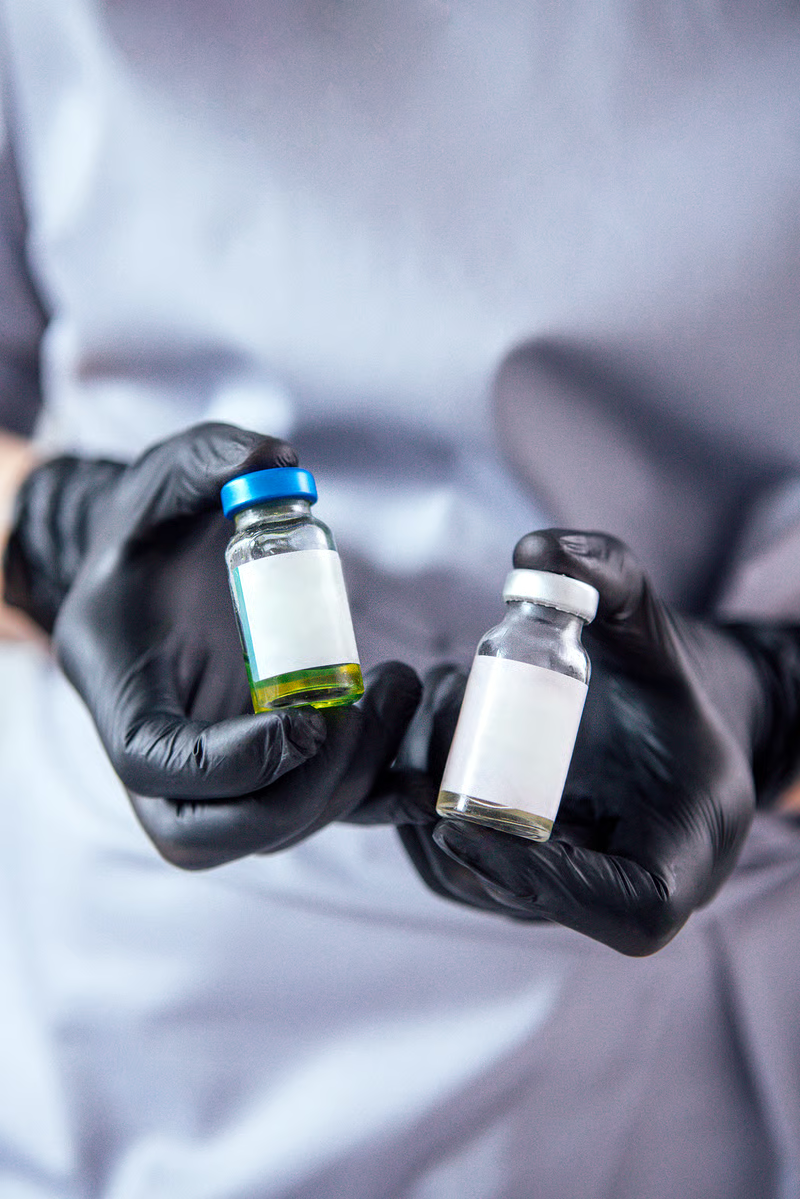
Always wear appropriate PPE when working with peptides. This includes:
- Lab coat
- Gloves (nitrile or latex)
- Safety goggles
- Mask (if handling powders that can become airborne)
How this helps:
PPE minimizes skin contact, inhalation, or accidental ingestion, reducing the risk of exposure and contamination.
3. Handle Peptides in Controlled Environments
Whenever possible, handle peptides in a controlled laboratory environment, such as a fume hood or biosafety cabinet. This is especially important for powdered peptides or highly active biopeptides.
How this helps:
Controlled environments prevent aerosolisation and contamination, protecting both the researcher and the sample.
4. Proper Storage of Peptides
Peptides are sensitive to temperature, light, and moisture. Store them according to the supplier’s instructions, usually at low temperatures (-20°C or -80°C for long-term storage) and in airtight containers.
How this helps:
Proper storage preserves peptide integrity, ensuring consistent experimental results and avoiding unnecessary waste.
5. Avoid Cross-Contamination
Use separate tools, pipettes, and containers for each peptide. Clean work surfaces before and after experiments, and dispose of waste properly.
How this helps:
Cross-contamination can compromise experimental results and pose safety risks if peptides with different activities mix.
6. Label Everything Clearly
Every container, vial, or solution should be clearly labelled with the peptide name, concentration, date, and any hazard warnings.
How this helps:
Accurate labelling prevents accidental misuse, reduces human error, and ensures compliance with lab safety regulations.
7. Follow Proper Disposal Procedures
Do not dispose of peptide waste in regular trash or drains. Follow your institution’s hazardous waste guidelines for chemical disposal.
How this helps:
Proper disposal protects the environment and prevents unintended exposure to active compounds.
8. Keep Detailed Lab Records
Maintain precise notes on peptide handling, storage conditions, and experimental procedures. Include any deviations or incidents.
How this helps:
Detailed records enable reproducibility, accountability, and quick response in case of any safety issues.
Conclusion
Handling peptides safely is as critical as the research itself. By following these best practices, you can protect yourself, maintain peptide integrity, and achieve reliable experimental outcomes. At Zenith Peptides Labs, we support researchers with high-quality peptides and comprehensive safety guidance to ensure your research progresses efficiently and securely.
Remember: Safety first, discovery always.
